
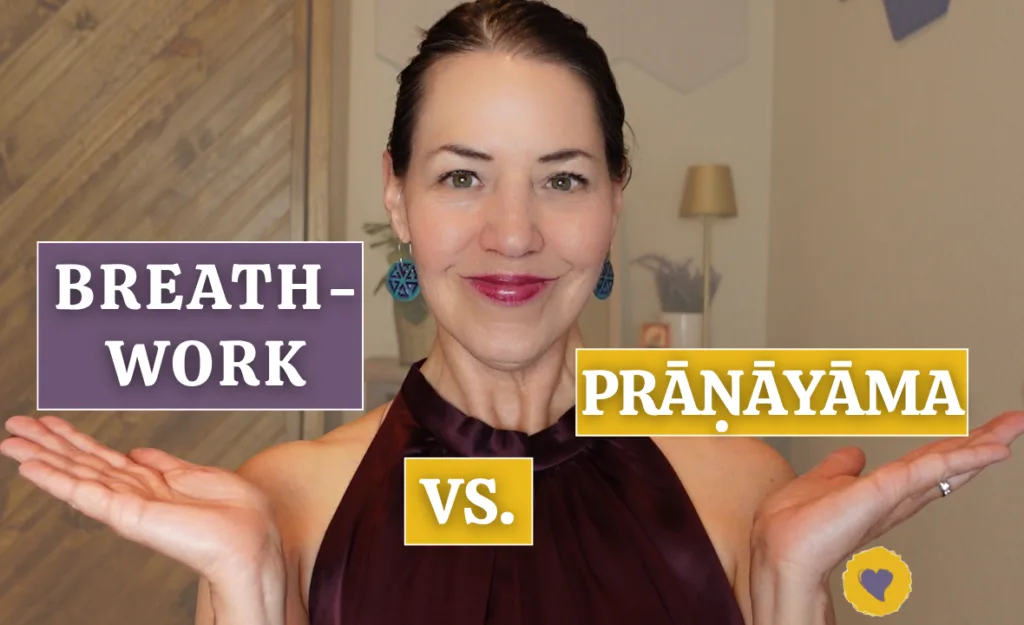
How Do You Say Prāṇāyāma?
As a solopreneur building my business alongside my full-time science career for years, I've worked with brilliant copywriters and business coaches and every single one has stumbled around the word Prāṇāyāma.
Let's fix that, because it's paramount to my work with high-achieving women who value science-informed tools for tending their nervous systems and it's not just “breathwork.”
Some say, “a word is a word,” but the vibratory resonance of the words your speak hold power – or meekness – depending on how you use them.
Pranayama is pronounced as prah-nuh-YAH-muh. Try it.
My Pranayama Story
Years ago, I found solace in Pranayama by counting, holding, observing the breath. It was slow, subtle, and sacred. Through my study of this subtle art of yoga with my teachers in the Rishiculture Gitananda Ashtanga tradition, it has changed how I see and interact with the world. Find more about the benefits of Pranayama here.
That’s when I realized:
This isn’t just semantics.
It’s a misunderstanding of depth, lineage, and intention.
So let’s clear the air. And start with the basics.
What Is Pranayama?
Pranayama (prana = life force, ayama = expansion) is a spiritual discipline that dates back thousands of years. As one of the eight limbs of yoga outlined in the Yoga Sutras of Patanjali, Pranayama is a practice for transforming consciousness, not simply calming nerves.
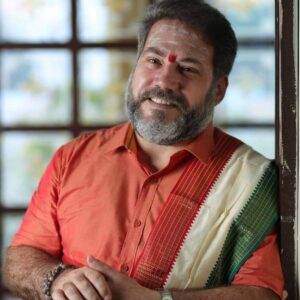
According to Yogacharya Dr. Ananda Bhavanani:
“The most important dilution that has occurred is that people have reduced Pranayama to just a breathing exercise. From the yogic perspective, the whole focus on Prana is lost when Pranayama becomes merely a breath technique.”
Traditional pranayama uses breath to regulate energy, refine awareness, and awaken the prefrontal cortex, the seat of intuitive choice. It involves ratios, retention, mudras, and subtle perception of vayus (the energetic currents within the body).
It is not meant to be done while multi-tasking or casually practiced while scrolling your phone.
It is a sacred sādhana or pathway for inner evolution.
What Is Breathwork?
Modern breathwork emerged in the 1960s and 70s as part of the human potential movement. Practitioners like Leonard Orr (Rebirthing) and Stanislav Grof (Holotropic) introduced techniques using continuous, connected breathing to:
- Access non-ordinary states of consciousness
- Release trauma and emotional tension
- Promote integration and spiritual insight
Breathwork typically does not use retention or ratios. It's often done lying down, eyes closed, with music and support. It’s visceral. Emotional. Sometimes intense.
As The Physical Evolution school states:
“Breathwork is not simply learning how to breathe better… it’s a practice that allows us to see parts of ourselves we hide—by going deep into our bodies, using the breath as our compass.”
In short, breathwork is less about control and more about surrender.
Historical Context: Root vs. Emergence
| Aspect | Pranayama | Breathwork |
| Origin | Ancient India (~1000 BCE); rooted in Upanishads and Yoga Sutras | 1960s-70s USA; born of psychology, spirituality, and bodywork |
| Lineage | Living yogic tradition; passed down through parampara | No singular lineage; inspired by multiple therapeutic systems |
| Primary Texts | Upanishads, Hatha Yoga Pradipika, Yoga Sutras | Rebirthing literature, Grof’s Holotropic manuals |
| Cultural Philosophy | Based in dharma, energy, and liberation (moksha) | Based in trauma healing, self-inquiry, and integration |
My teacher Yogacharya Dr. Ananda Balayogi Bhavanani reminds us:
“Yoga is a living tradition… when we package and repackage it, we risk turning sacred water into stale plastic. Let us drink from the source.”
Nervous System Impacts
Pranayama
- Activates the parasympathetic nervous system (rest/digest)
- Refines vagal tone, calms the mind, builds resilience over time
- Supports inner stillness and prepares for meditation
Breathwork
- Often initiates sympathetic activation (release, catharsis)
- Followed by parasympathetic “drop” (relief, integration)
- Brings stored emotion and trauma to the surface
- Requires readiness and safety to fully benefit
In yogic terms, Pranayama transforms subconscious reactivity into conscious choice. It helps shift from survival mode to thriving with intention.
Practice Comparison: How They Differ
| Feature | Pranayama | Breathwork |
| Breath control | Structured with holds and counts | Circular, continuous with no pauses |
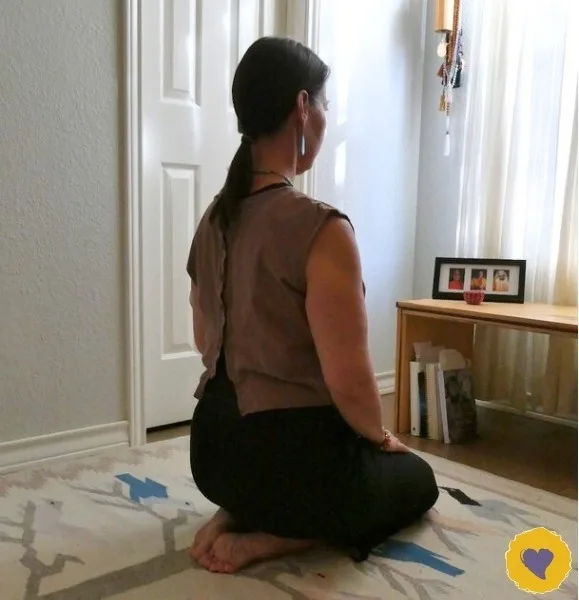
| Posture | Seated, upright spine | Lying down, supported |
| Environment | Quiet, meditative, sacred | Facilitated sessions, often with music |
| Focus | Energy mastery and meditative awareness | Emotional exploration and release |
| Timeline | Progresses slowly with lifelong depth | Immediate access; can be intense or cathartic |
How They Relate to Meditation
Pranayama and breathwork may lead to meditative states, but they’re not interchangeable with meditation.
Pranayama prepares the mind for meditation by stabilizing attention and purifying energy.
Breathwork can create altered states that feel meditative but are often emotionally driven.
Meditation simply observes the breath as-is, without manipulating it, and inviting stillness.
Pranayama = preparation
Breathwork = catharsis
Meditation = presence
Each serves a purpose on the path to wholeness.
FAQs
Is pranayama just breathwork from India?
No. Pranayama is a spiritual energy practice rooted in yogic philosophy. It is the practice of expanding your awareness of Prana, the force that animates life. Pranayama is about cultivating and expanding your relationship to Prana. Breathwork is modern and therapeutic, designed for emotional processing that does not necessarily involve Pranic cultivation.
Can I practice both?
Absolutely. In fact, many of our students begin with pranayama to regulate their system and explore breathwork when they’re ready for deeper emotional healing.
Which one is safer for trauma?
Gentle pranayama is usually safer to start. Some breathwork techniques can feel overwhelming if you’re not grounded or supported.
Do I need a teacher?
Yes, especially with Pranayama. Breath affects the nervous system profoundly; practicing under the guidance of an experienced teacher who has embodied experience ensures you’re practicing in a safe, effective way.
Which One Is Right for You?
Ask yourself:
- Do I need to purge emotions?
- Do I want to build energy or release it?
- Am I seeking spiritual discipline or emotional healing?
You might need Pranayama on Monday morning…and activating breathwork on Wednesday afternoon.
There’s no rule, only attuning to your body's needs and your personal rhythm.
How We Integrate Both at HolSol
At HōlSōl Wellness, we teach traditional Pranayama and use Breathwork as a bridge for cultural awareness. Our sessions are:
- Trauma-informed
- Culturally rooted (not appropriated)
- Guided by lived experience and research
- Gentle, gradual, and empowering
Our Yoga to Breathe Better Workshop Series features Pranayama from the Rishiculture Ashtanga Gitananda tradition in a safe, supportive space. You’ll explore your nervous system, your breath, and your energy—with guidance every step of the way.
Closing Reflection: What’s Your Breath Asking For Today?
Maybe you need the structure of pranayama.
Maybe you need the release of breathwork.
Maybe you need to sit with your natural breath in silence.
“The breath is not just air. It is Prana. It is wisdom. It is a path.”
— Dr. Ananda
When you return to the source of the practice, and of yourself, you don’t have to choose between healing and heritage. You get both.
✨ Your breath. Your body. Your rhythm.


One Response
What a wonderful article, thank you for taking the time to share this and clarify the difference between the two. I am always drawn to Pranayama and find it irksome when yoga teachers use the term breathwork. Your article makes great steps toward improving our understanding of the nuance.