By Dawn Browning | Nervous System Health | Conscious Breathing | Mind-Body Wellness
Pranayama for nervous system regulation is one of the most effective ways to shift your body out of stress and into a calm, regulated state. In this guide, you'll learn how specific pranayama techniques influence the nervous system, and how to use them in daily life.
Let me show you what I mean.
Your Nervous System Is Listening
On a recent Zoom call with a team of scientists I have been working with on a high-stakes project with significant funding on the line, with two minutes left on the call, the lead asked me on the spot, “Dawn, what is the unique contribution you bring to the table?” The fundholders were also on the call; everyone was on video.
I felt the hit of adrenaline, but instead of rushing to fill that silence, I paused and I took one slow, deep breath. Those ten seconds helped me steady my energy and my voice to offer a very clear response.
You don’t always need more time, more tools, or more preparation to shift your state. In that moment on the call, two slow breaths were enough to steady my body and my voice. Sometimes, the fastest and most effective step is to simply breathe differently.
We often think of stress as something external, such as a deadline, a traffic jam, a heated conversation. But our nervous system doesn’t speak in language or logic. It speaks in signals, on or off. And your breath, including how and how fast you breathe, is one of its primary messengers.
In this post, we’ll explore how your breathing patterns affect your nervous system—and how you can shift from survival mode into a more grounded, present, and peaceful state using just your breath.
Understanding Autonomic Nervous System Regulation
Sympathetic and Parasympathetic Nervous System
Your autonomic nervous system (ANS) governs things you don’t have to think about: heartbeat, digestion, breathing, etc. It has two main branches:
Sympathetic Nervous System (SNS): Fight, flight, or freeze
Parasympathetic Nervous System (PNS): Rest, digest, and regulate
When the SNS is activated (think rapid, shallow breathing), the body gears up for action. Helpful in emergencies, but not so much in everyday life.
The PNS is where healing happens. It’s associated with slower breathing, longer exhales, and feeling safe.
How Pranayama Affects the Nervous System
The Vagus Nerve and Parasympathetic Activation
Your breath is unique. It’s the only biological process that is both autonomic (you don’t have to think about it) and voluntary (you can consciously change it).
This makes breath the bridge between your mind and body, between stress and safety.
Here’s how it works:
1. The Vagus Nerve: The vagus nerve is the longest cranial nerve and plays a key role in regulating your parasympathetic nervous system. Slow, extended exhalations stimulate the vagus nerve, sending a message to the brain: “We’re safe now.”
Heart Rate Variability (HRV) and Nervous System Resilience
2. Heart Rate Variability (HRV): HRV is a marker of how adaptable your nervous system is. Practices like Sukha Pranayama (A/K/A “coherent breathing” at a pace of 5–6 breaths per minute) improve HRV, helping you respond more calmly to stress.
Carbon Dioxide Sensitivity and Breathing Patterns
3. Carbon Dioxide Sensitivity: Many anxious people over-breathe, exhaling too much CO₂. This disrupts oxygen delivery and increases feelings of panic. Diaphragmatic breathing restores balance, supporting both brain clarity and calm.
Signs of Nervous System Dysregulation
- Shallow, breathing in the upper-chest
- Feeling constantly on edge
- Trouble sleeping or winding down
- Digestive issues
- Emotional reactivity or numbness
If this feels familiar, your body may be stuck in sympathetic overdrive. Conscious breathing (or breathwork) can help interrupt that cycle.
You can experiment with this 4-minute guided breathing practice to help shift your nervous system toward regulation.
Best Pranayama Techniques for Nervous System Regulation
Here are a few science-backed methods that are gentle, effective, and grounded in both research and tradition:
Adham Pranayama (Diaphragmatic Breathing)
Adham Pranayama (Diaphragmatic Breathing): Calms the SNS, improves digestion, reduces anxiety
Sukha Pranayama (Coherent Breathing)
Sukha Pranayama (Coherent Breathing): Balances HRV and improves resilience
Bhramari Pranayama (Humming Breath)
Bhramari Pranayama (Humming Breath): The hum lengths the exhale and creates vibrations that tone the vagus nerve
Ancient Roots, Modern Research
Yogic pranayama has emphasized nervous system regulation for millennia. Techniques like Nadi Shodhana (alternate nostril breathing) were designed not only for energy balance but also for inner calm and mental clarity.
Now, results from studies are confirming what the ancient Rishis (or Sages) in India have taught over millenia:
– Slow, deep breathing practices can reduce symptoms of anxiety [Magnon et al. 2021]
– Yoga techniques (inc. conscious breathing) increase GABA, a calming neurotransmitter [Streeter et al. 2007]
– Slow, regulated breathing may influence inflammatory pathways through its effects on the vagus nerve, which plays a role in immune regulation [Black and Slavich 2016]
The breath is your body’s built-in healing technology. You just have to remember how to use it.
How to Practice Pranayama Daily
You don’t need a dedicated practice room to reset your nervous system.
Try these simple integrations:
– Before meetings or calls: 1 minute of Sukha Pranayama (Coherent breathing)
– While driving: Sukha Purvaka (Box breathing) at stoplights
– Before sleep: Sukha Pranayama to transition into rest
– During conflict: 3 slow deep diaphragmatic breaths before replying
The more consistently you practice, the better your nervous system gets at discerning true danger from anxious feelings.
Journal Prompt: What Is My Nervous System Telling Me?
– When do I notice my breath gets shallow or tight?
– What triggers send me into “survival mode”?
– What practice today helped me feel safe in my body?
Let your pen or fingertips flow across the page or keyboard without worrying about what comes through.
Next Steps on Your Breath Journey
Best Breathing Exercises for Stress Relief 5 simple techniques to calm your mind and body
Daily Breathwork Techniques for Energy YouTube playlist that explains how and why breathwork works with a guided breath practice to reduce stress
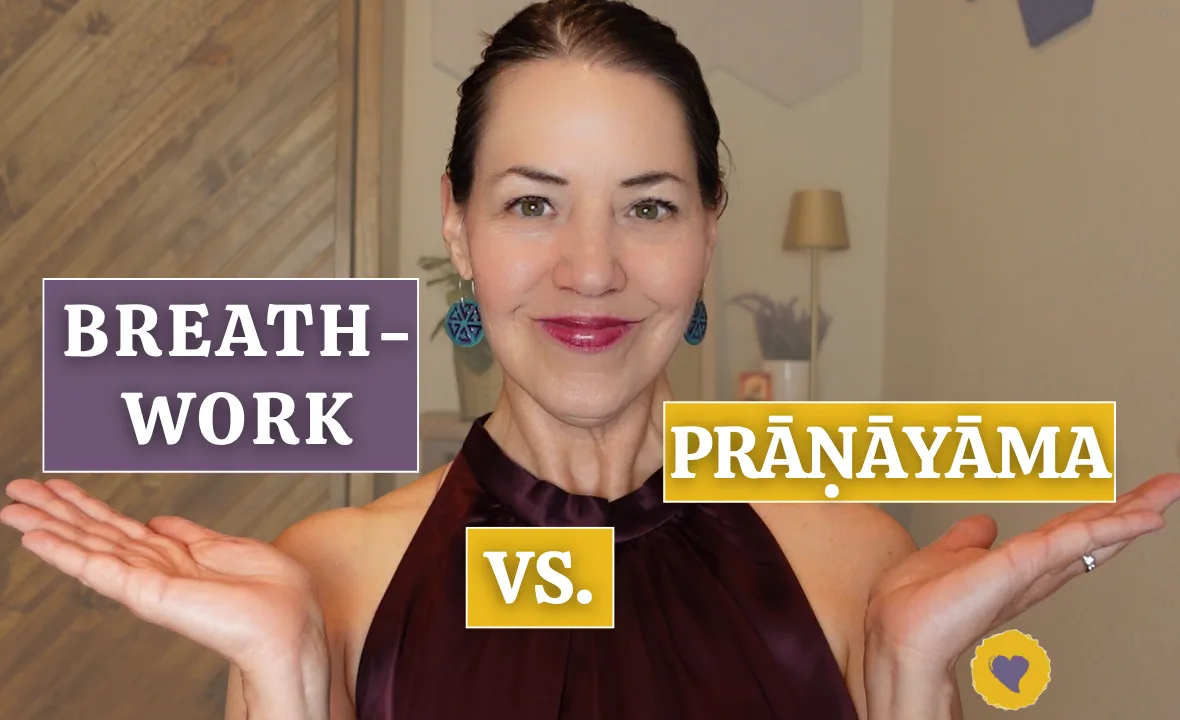
Breathwork vs Pranayama: Why One Triggers Anxiety and the Other Creates Calm YouTube video where you learn when and why you might choose Pranayama instead of Breathwork, watch this YouTube video.
Build Your Breath Practice Fast Download 4-min guided audio Regulation Ritual breath practice to override stress fast
Nervous System Self-Assessment
Before you begin regulating your nervous system, it's helpful to understand where you are. Here’s a quick self-check to build awareness:
You may be in a sympathetic (fight/flight/freeze) state if you notice:
– Racing thoughts or difficulty focusing
– Muscle tension, jaw clenching, or shallow breathing
– Irritability or restlessness
– Digestive issues or sudden appetite changes
– Difficulty sleeping or feeling “wired but tired”
You may be in a parasympathetic (rest/digest) state if you notice:
– Calm, steady breathing
– Ability to reflect and respond mindfully
– Gentle digestion, warmth in hands and feet
– Clear thinking and emotional presence
This isn’t about diagnosing yourself.
It’s about tuning in. The breath can help bring you from one state into the other—when you practice with consistency and compassion.
A Simple Daily Nervous System Reset Routine
You don’t need an hour to regulate your system. You need intention, consistency, and about 10 minutes a day.
Here’s a foundational routine anyone can start with:
Morning (3 minutes):
– 5 rounds of Diaphragmatic Breathing (inhale 6, exhale 6). Start with 4-count and work up to 6.
– Gentle stretch with nasal breathing
Midday (3 minutes):
– Sukha Pranayama (A/K/A Coherent Breathing). Inhale 5 seconds, exhale 5 seconds.
– Download a 4-min audio I created with a guided breath practice here.
Evening (4 minutes):
– 4-7-8 Breathing to wind down
– Journal prompt: “What does my body, mind, or nervous system need tonight?”
Let your body guide you as you build this into a nourishing habit.
Science Corner: What the Brain Says About Breath
Pranayama doesn’t just calm your body—it rewires your brain over time.
– Prefrontal Cortex: Conscious breathing activates this area tied to decision-making and emotional regulation
– Amygdala: Slows activation of the fear center responsible for fight-or-flight
– Hippocampus: Linked to memory and contextualizing safety; breath enhances neuroplasticity here
CO₂ Tolerance is also key. Many anxious individuals are overly sensitive to rising CO₂, which creates a panic loop.
By practicing slow breathing, we retrain the brain and body to handle more CO₂ which can build true resilience.
Think of this as breath-based strength training for your nervous system.
FAQs: Breathing, the Nervous System, and Healing
Q: Can breathing really change how I feel emotionally?
A: Yes. The breath directly influences the autonomic nervous system, which governs how we process and regulate emotions. Here's a striking example: fear and excitement are nearly identical chemically. The difference in our experience is whether or not you're breathing consciously.
Q: What's the difference between breathwork and nervous system regulation?
A: Conscious breathing, (but not necessarily all “breathwork”) is one of the most direct tools for nervous system regulation, but it's not the only one. Think of it as the first tool you reach for in your self-regulation toolbox. It’s easy to do, free, and effective.
Q: What if breathing techniques make me feel more anxious at first?
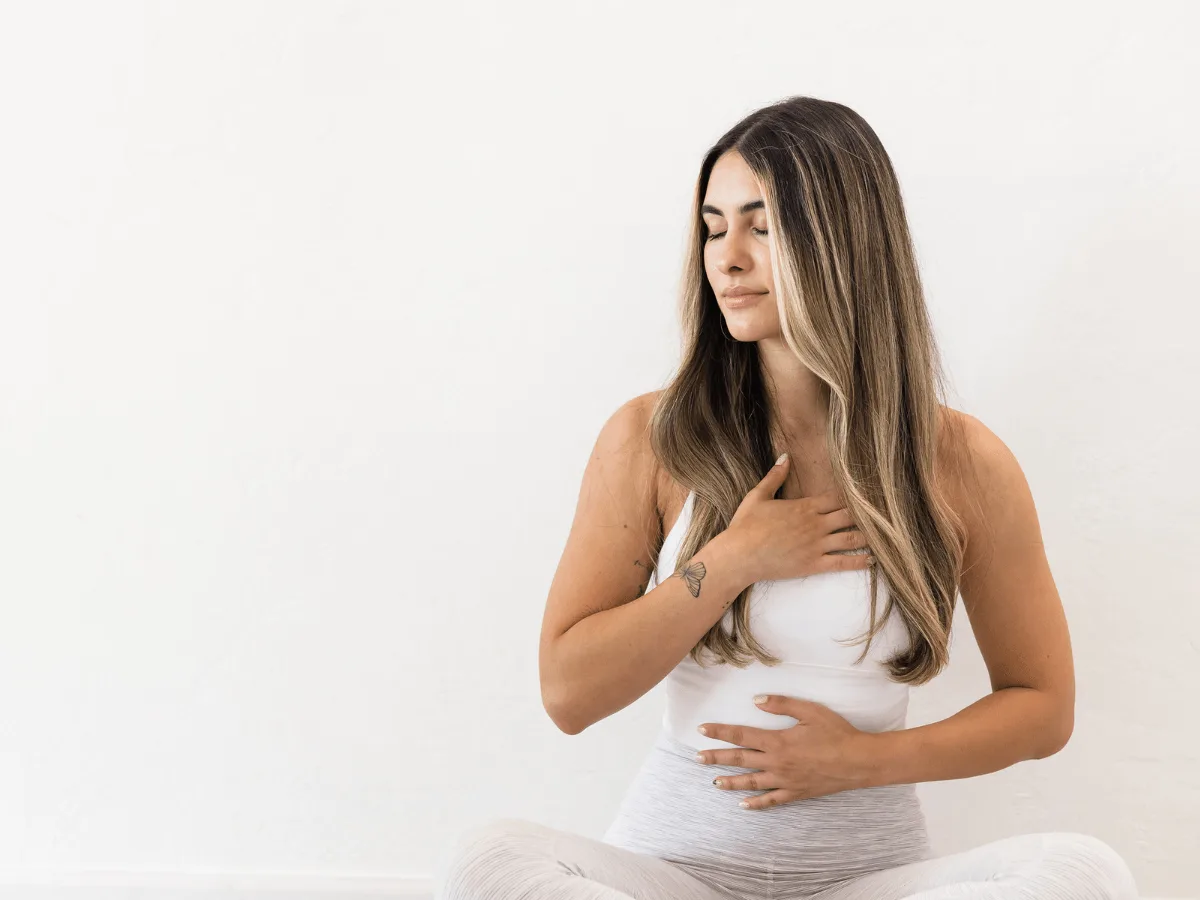
A: That's okay and more common than you'd think. It’s especially true with many activating breathing techniques you see on social media, commonly referred to as “breathwork.” I made a video about that here on Youtube to talk more about it. Start small, keep your eyes open, and use grounding anchors like a hand on your chest or belly. Avoid breath retention techniques (like Box Breathing or Sukha Purvaka) when you're already feeling dysregulated.
Q: Is conscious breathing safe for trauma survivors?
A: Most gentle, conscious breathing practices are safe. SNS-activating techniques, such as rapid breathing or long breath retentions (e.g., a lot of “breathwork” techniques) can be problematic and should only be explored with a trained, credentialed facilitator.
Q: Will I see results right away?
A: Some people feel calmer almost immediately or within minutes. Others notice gradual shifts that show up as steadier emotions, better sleep, fewer anxious spirals. Conscious breathing or Pranayama is both a practice and a process of building the relationship between our mind and our breathing. Aim for a 5–10-minute daily practice. Even short moments of breath awareness build resilience over time.